Background:
One of the best tools we have to document and analyze a whale’s virology, hormones, and DNA is through biopsies. Currently, biopsies are collected using 150-175 lb crossbows that are armed with bolts (arrows) that have specialized tips and unique syntactic foam collars. This system has been around for over 30 years and is industry standard. The benefits of using a crossbow are clear, as it provides a consistent explosive force and is designed to be compact, reliable, and relatively simple to use. these qualities are required of any tool deployed during field work on the water. The crossbow, although reliable, is still one of the most invasive procedures carried out by whale researchers. To get a viable crossbow biopsy, the approach boat must position itself to be around 1-2 whale lengths away from the target. This has been shown to negatively affect whale behavior. The process also presents a clear danger to the whale researchers directly handling the tool, as well as all team members on board the boat. A tangential issue with using the crossbow method to biopsy whales is the effect it has on public perception. Specifically, the corrosive effect this invasive technique has on public trust between NOAA personnel and the public, due to the fact that the biopsy technique runs counter to almost all other NOAA instructions on how to safely interact with marine life.
Objective:
Create a modular low cost drone DEPLOYED biopsy deVICe.
PARAMETERS:
Meet payload restrictions of the DJI Matrice 210 V2 (under 1.45 kg)
Reliably puncture and dislodge from whale blubber
Float and not crush at deep sea depths
Be almost entirely 3D-Printed and if necessary use readily available components
Seamlessly integrate with all other Ocean Alliance systems
Iterations
V1
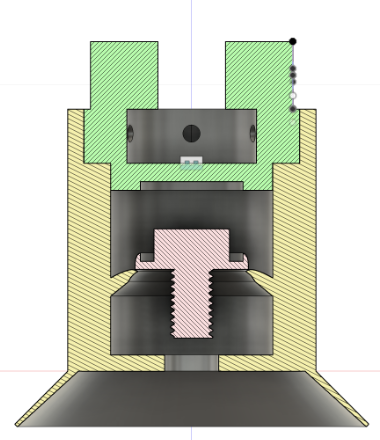
Outer shell was printed in TPU
Upon impact, the Spring pushed the biopsy tip off this ledge and into the whale
V2
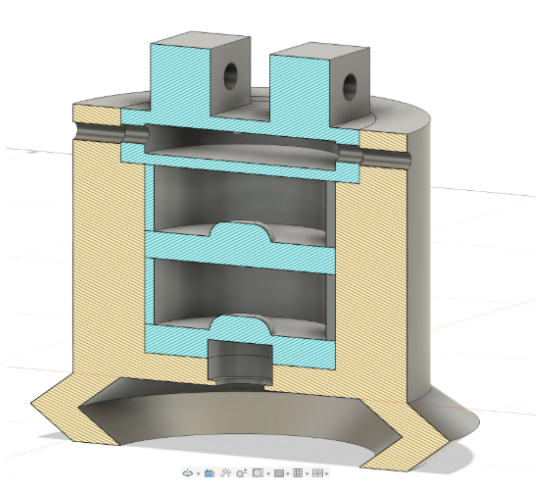
Everything printed in PLA
Features AN internal modular weight system
The biopsy tip would impact well but would not dislodge reLIABLY
V4
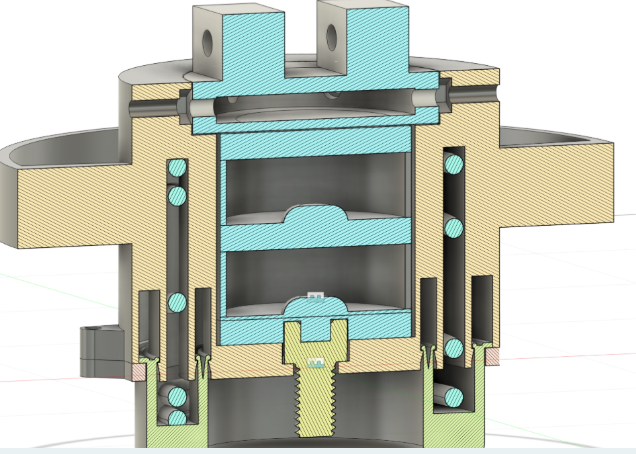
OUTER SHELL printed in PETG
Modular weight holder is PLA
The bolt holder and gYRo attachment are PETG
Features a ring that holds bright floats
Spring at the bottom forces the device out of the whale fOllowing impact
The spring cap is restrAIned in place by a security ring
The gyro attachment is secured by bolts that thread into a nut that is TOLERANCE-fit into the inner chamber of the device
SPring CAp Iteration
V3
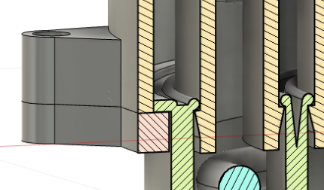
WOrked RELIABLY
DUE TO V3’S RELIABILITY, I was able to add a stiffEr spring, Further preventing the biopsy device from BECOMING lodged in a whale.
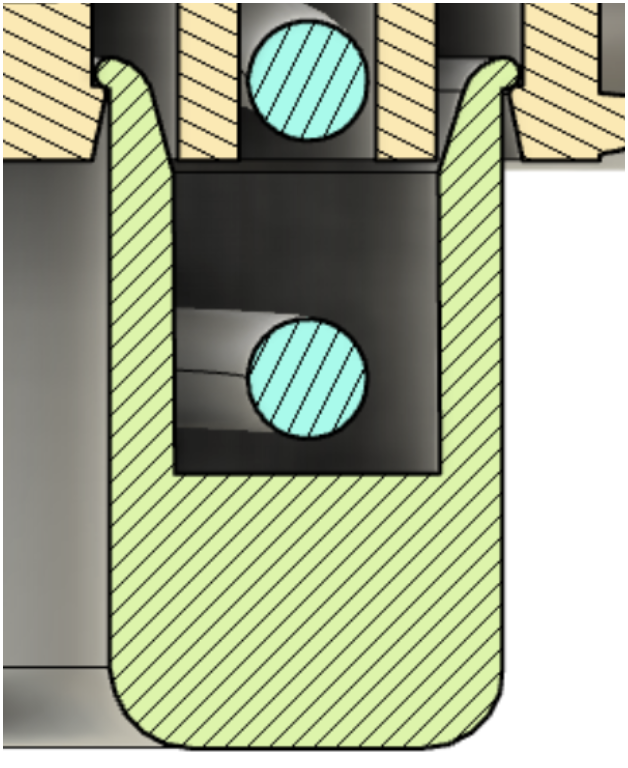
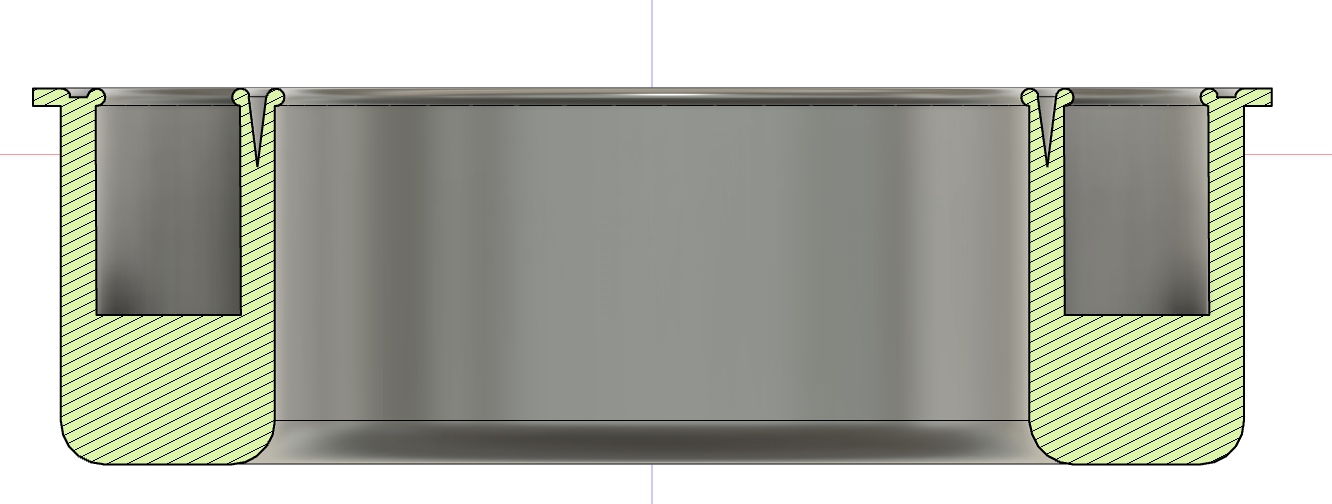
After testing there were noticeable problems with the component that secures the spring to the larger biopsy system, referred to as the spring cap in documentation. The spring cap would dislodge after impact. when the compressed spring WOULD PUSH the rest of the system out of the simulated ‘whale’, it would also push the cap out of its tolerance fit. Two other cap designs were tested to try and solve this problem while also maintaining the same design profile and tolerance fit.
SPRING CAP (SECTION ANALYSIS) →
V1
V2
failed on every trail
SPRING CAP →
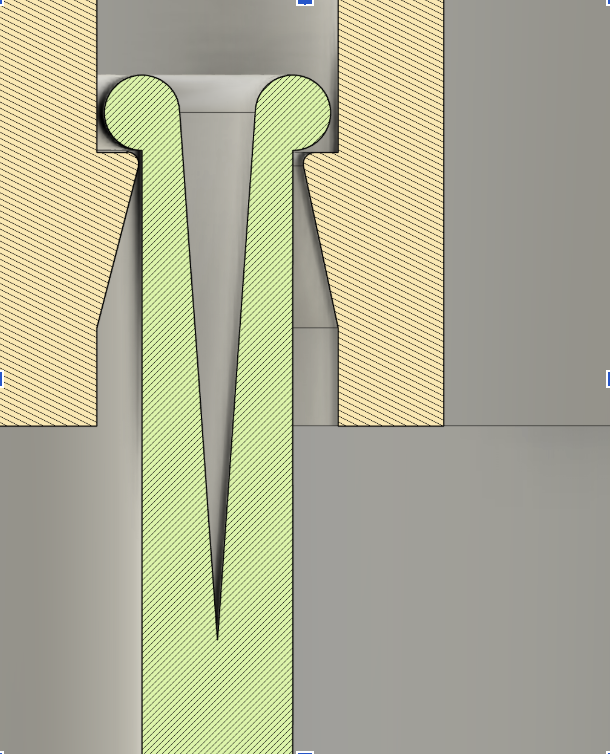
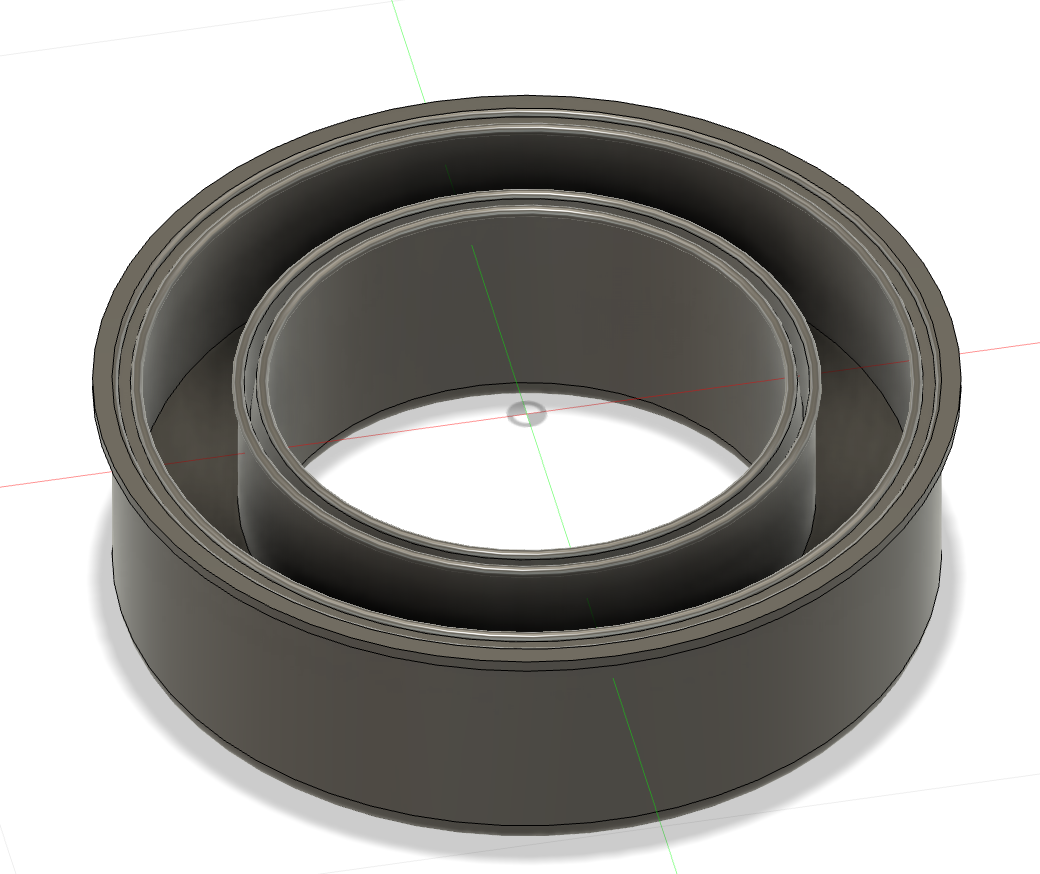
WOrked far better thAn v1 but was not RELIABLE
the depth between the flanges WAS tested AND ADJUSTED multiple times. the TOLERANCE fit WAS UNABLE TO SECURE THE SPRING CAP
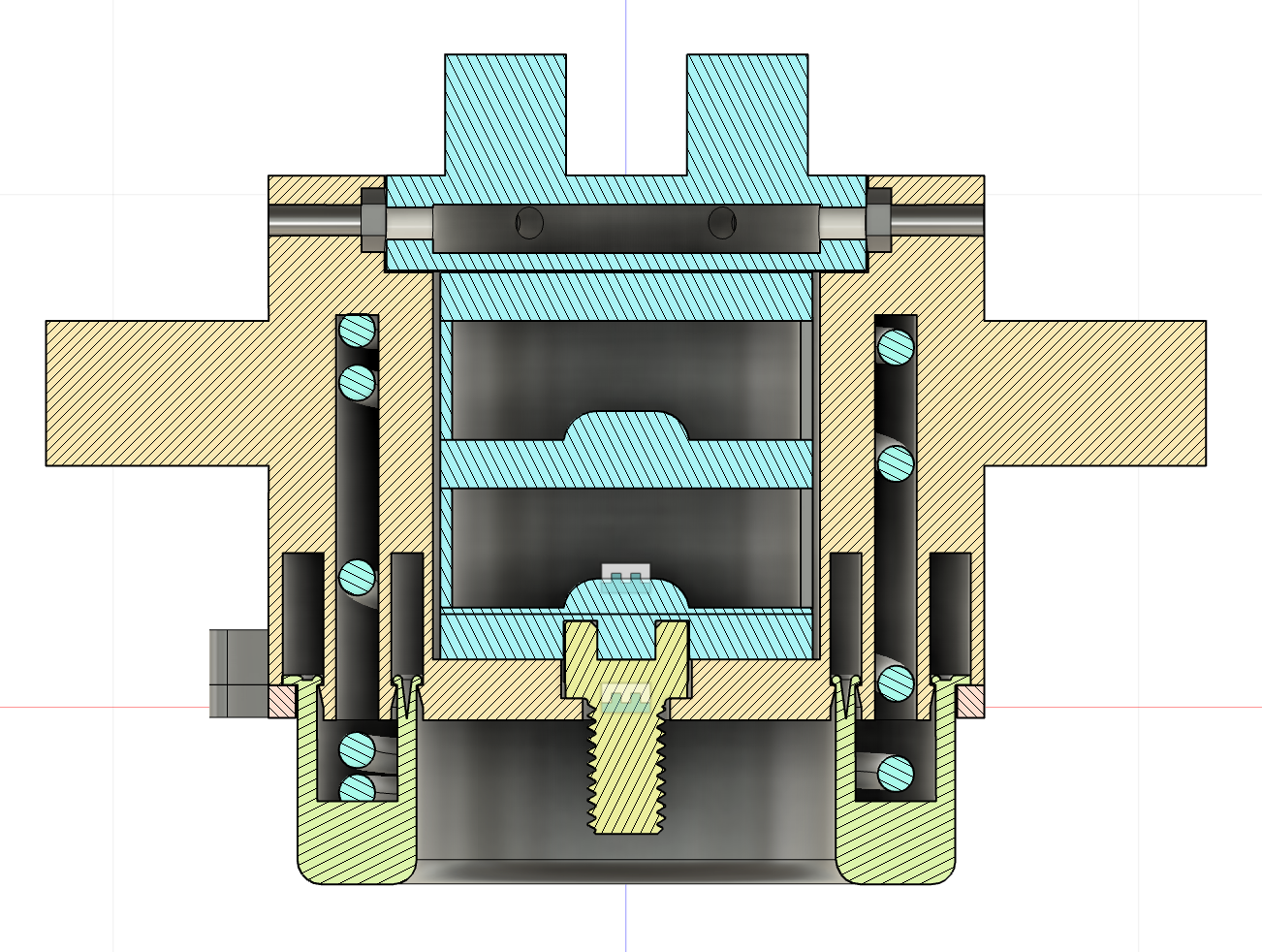
SPRING CAP (INTEGRATED)
Testing
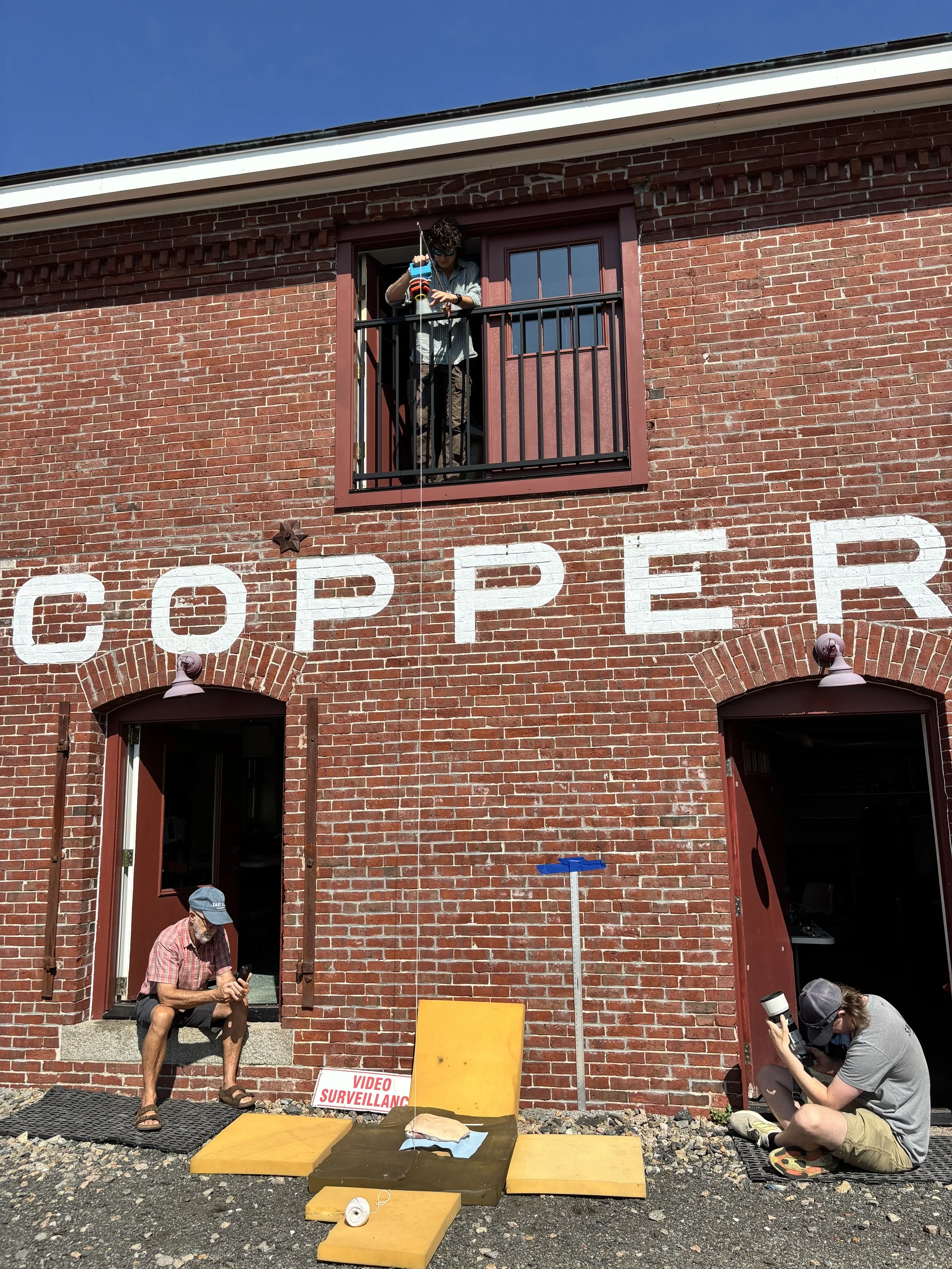
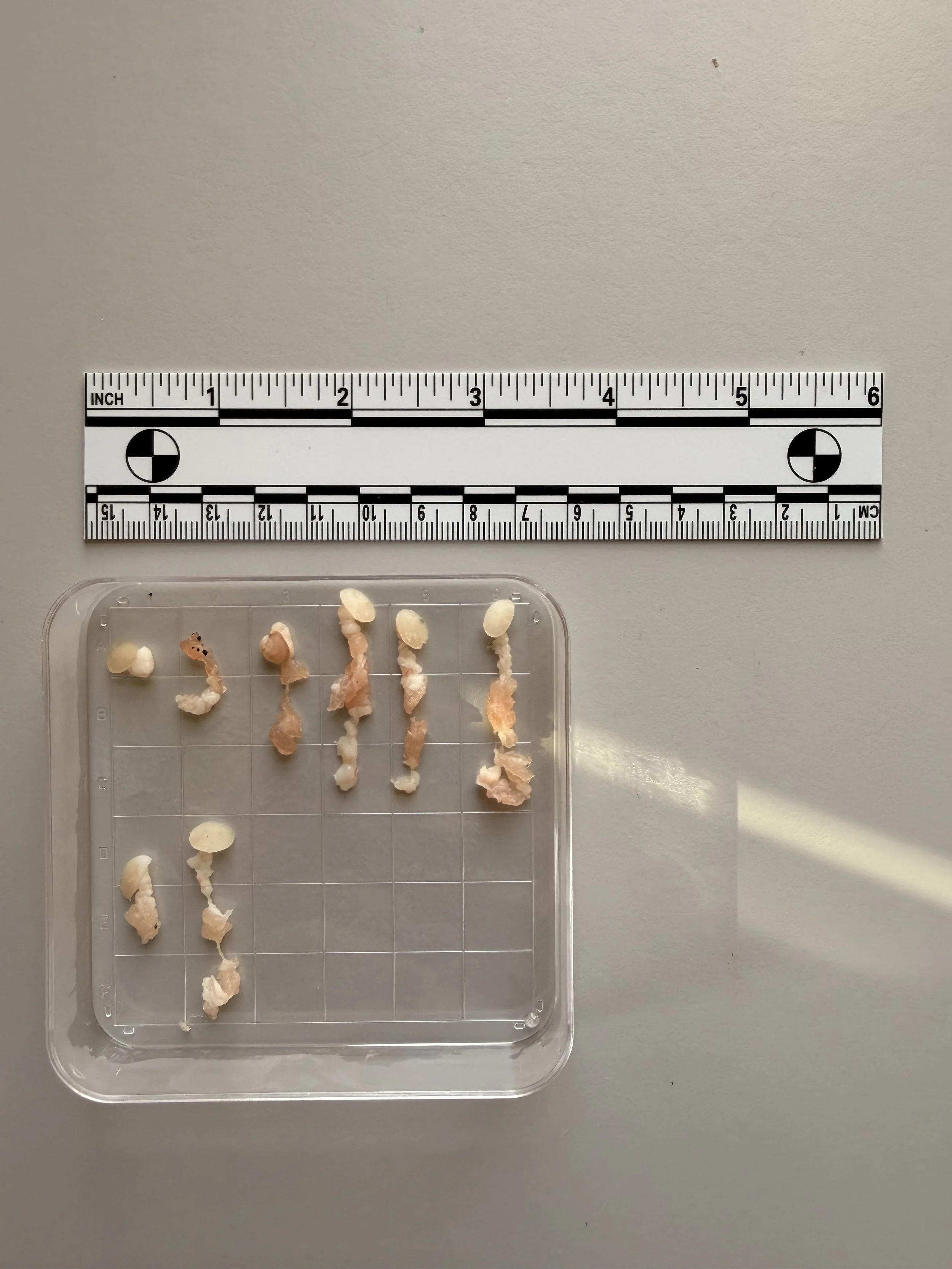
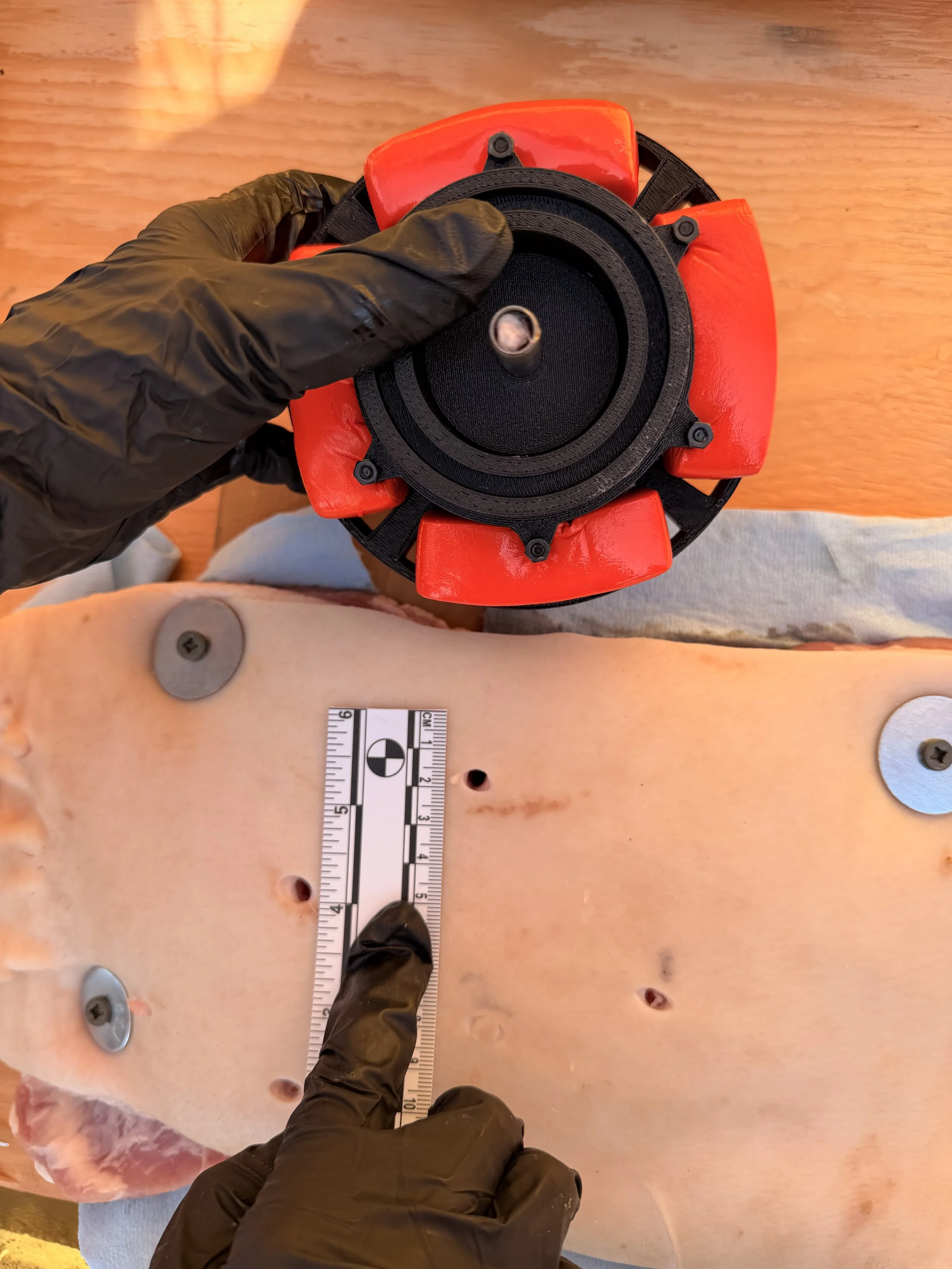
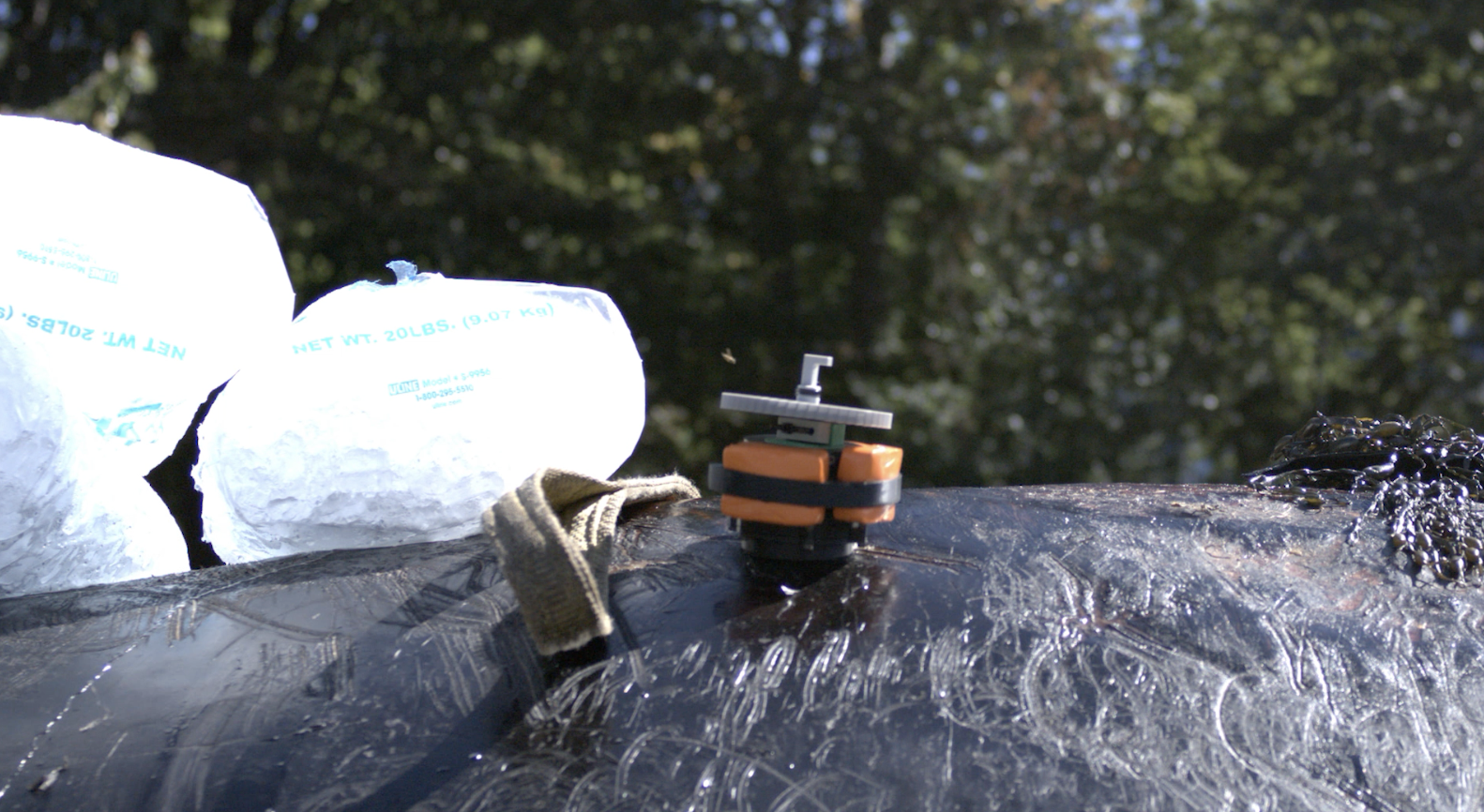
To simulate real world deployment, the system was tested using a vertical drop test from AN approximate 14 feet. A string suspended vertically was used as a visual aid to accurately guide the biopsy device to the target. Before DROPPING, the device was secured in a hand-held replica of the OCEAN ALLIANCE gyro release system (which I desIGned, coded, and printed). the flywheel was spun up for a period of 5-10 seconds, THEN RELEASED FROM REST ONTO A WHALE SURROGATE.
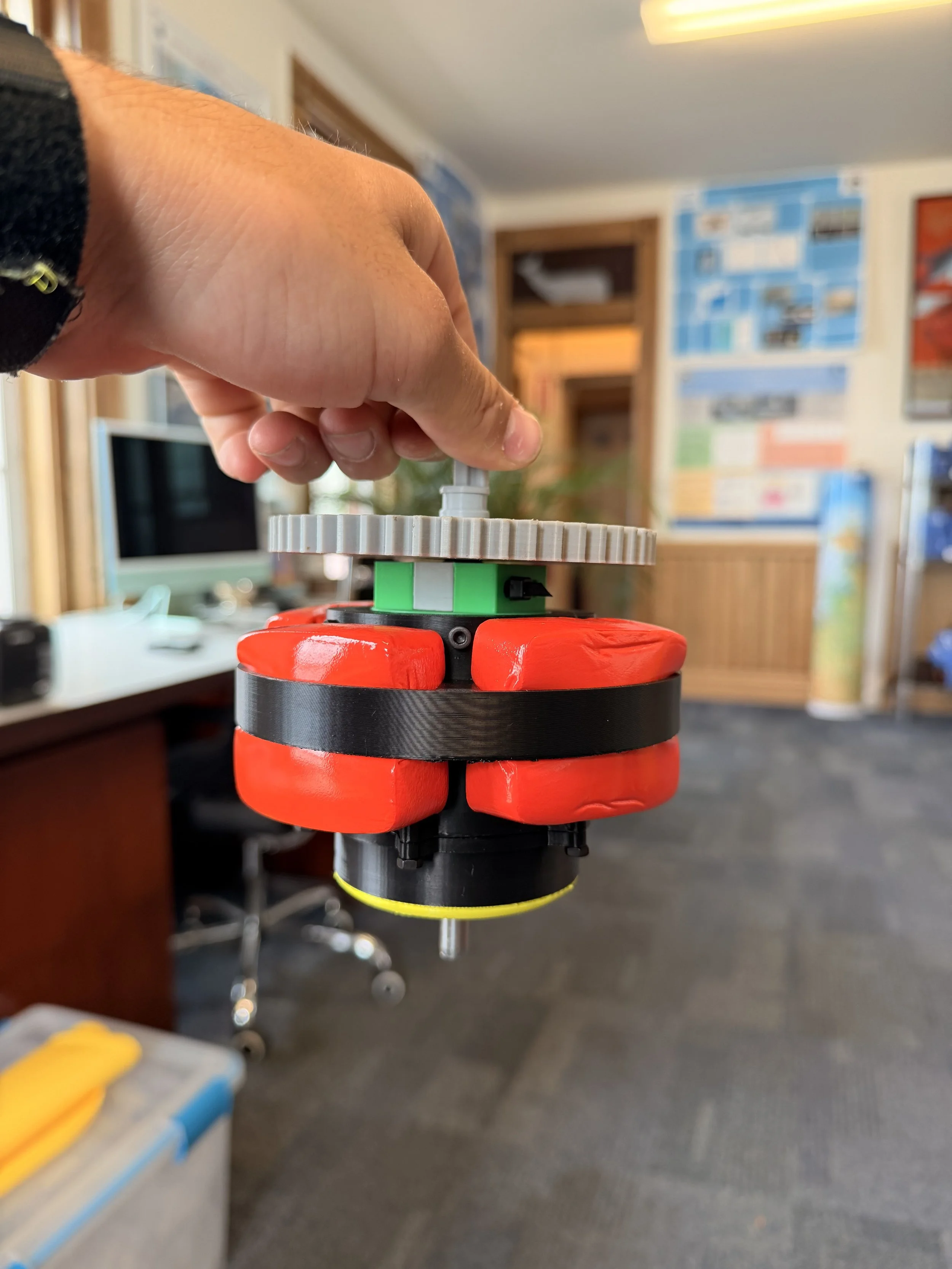
Tests were SUCCESSFUL →